Good on paper

Defined Benefit (DB) has long been viewed as the gold-standard of pension schemes.
We’ve probably all heard it at some point or another… “Oh, they’ve got the “good” type of pension.”
And while these arrangements do often provide really valuable benefits, there is an assumption that having a DB pension leads to greater retirement confidence. But what does this “good” type of pension actually mean for members?
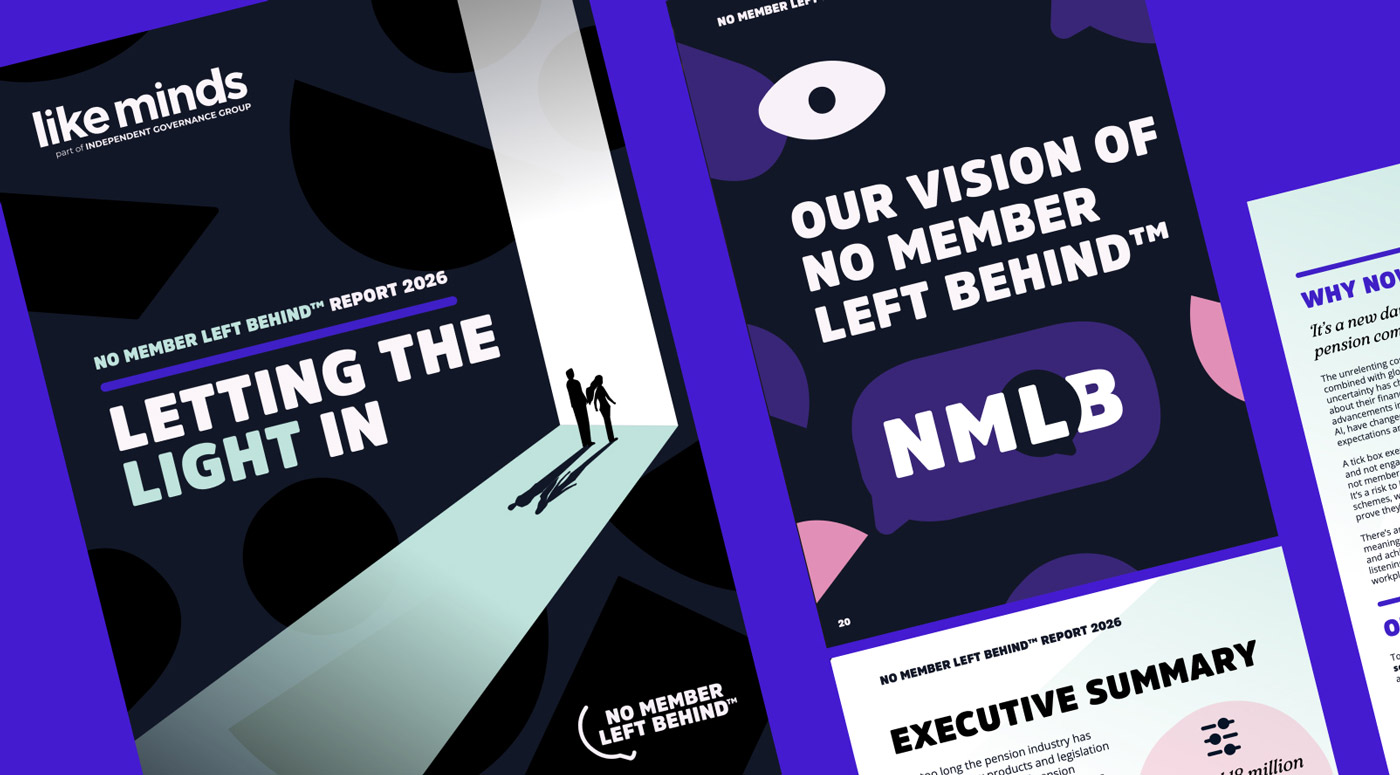
Our No Member Left Behind™ report suggests the reality is a little more complex for these DB members:
feel unsure or lack confidence planning for their retirement, despite over 80% saying they understand their pension well.
either feel unsure or unprepared for their retirement.
can’t remember receiving a single pension communication in the past 12 months.
say the communications they receive from their workplace pension scheme don’t feel tailored to their circumstances.
And the confidence gap only widens for women and those aged 45-54. While members with conditions or disabilities affecting their communication needs are the most likely to say the communications they receive from their workplace pension scheme do not meet their needs.
The findings from our report suggest there’s a disconnect between our industry (and that world view we’ve likely all heard) and members who are actually part of these DB schemes. While we often define a pension’s value in terms of its benefits, risk and security, members judge their pension and retirement through the lens of their own personal circumstances and understanding.
Neither of these views are wrong. But the impact is that while we might view a pension as “good on paper,” it can still leave members feeling uncertain and lacking in confidence about their future.
Being aware of this is important because schemes have a duty to make sure communications are clear, compliant and timely for all members, as a minimum.
So, whether you want to take a hands-on approach or you simply want to ensure important messages land with all of your members, here’s what our team recommend:
“Don’t weave your way up to a point, put it front and centre, so members know what’s being shared and why it matters to them. And give that message room to breathe, don’t be afraid of space on screens, in print or even when speaking.”
“Educate your members as you go along. Assuming members will understand something that’s shared once and in one way, can lead to missed opportunities and disengagement. Consider using different approaches to both design and language to capture attention and help members build their confidence over time.”
“Behavioural science is your friend. There are tried and tested techniques out there that are proven to help people get to grips with tricky topics and make decisions that are right for them – the same goes for pensions.”
“The simplest way to gather member insight is to speak to them. That could be through a survey, focus group, drop-in session or by speaking to the teams who are in regular contact with your members. There’s always something new or interesting to learn from members that can be factored into future communications.”
To see how we’ve supported a recent Hybrid DB / DC client to better understand their members and plan their communication strategy with intention, read our case study.
Need a fresh approach?
Want to improve how you communicate with your DB pension members? We’d love to hear from you.